Before you pay extra for the source code of your software, ask what you get with it.
For as long as software has been sold, the source code has been the thing to protect. It holds the architecture, the logic and every decision about how the system works. Companies locked it down, split access to it and wrote contracts around it.
The pricing often followed. A program that runs was one price. The source code and the rights to it were often a much higher one. Whoever held the source often held the power: they could change the product, fix it, move it, or stop supporting it.
What is changing
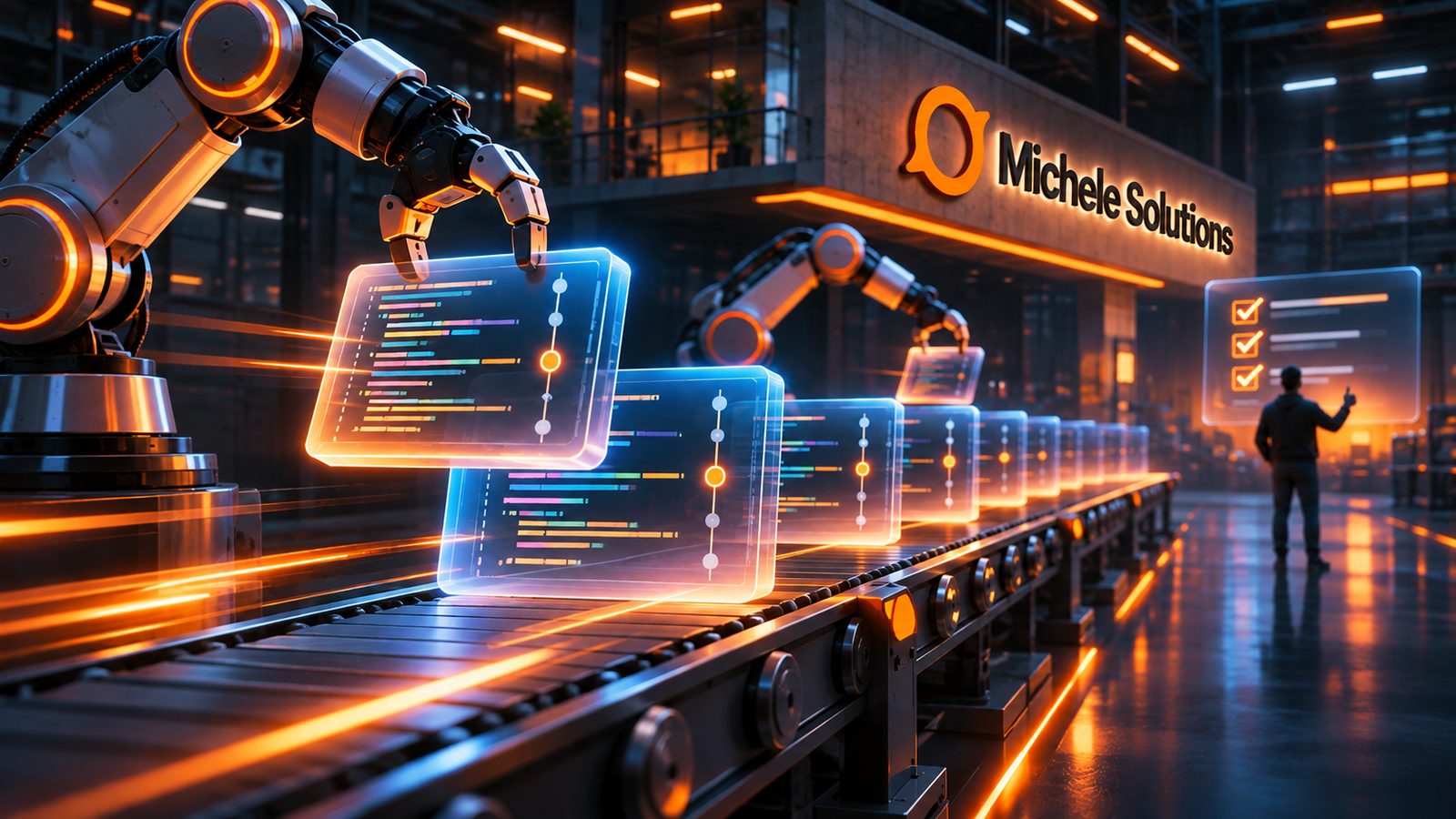
AI agents that write code have changed the cost of the other side of that bargain. It is now realistic to rebuild even complex software that you own or are entitled to study, by observing how the system behaves: what goes in, what comes out, how it reacts. Without the original source, you can reproduce much of what it does.
A rebuild is not only a copy. It can use newer languages and tools, which can bring architectural gains the original never had, and can run on platforms the original could not reach.
This does not mean you may copy other people's products. Software is protected by copyright, many licences forbid reverse engineering, and trade-secret law (the Unfair Competition Prevention and Trade Secret Protection Act) punishes taking or using secrets unlawfully. Rebuilding your own software, or software you are licensed to study, is a different thing.
Where the value goes: the knowledge around the code
If the code can be rebuilt, it is no longer the scarce part. We expect the value to move to three things:
- The architecture. Why the system is built the way it is, and what holds up under load, failure and change.
- Understanding. Knowing how the software really works, and how to make it more efficient, more secure and more reliable.
- Knowing what to ask for. The real requirements of the software and the limits of the infrastructure it runs on.
What this means in practice
We expect AI agents that carry out instructions quickly and, with the right controls, reliably. The skill that matters then is giving those instructions well: the right commands, the right guidelines, a clear view of what the software must do and where it has to run.
Four questions to ask about your own software:
- Do you understand how it works, or does only one person know?
- Could you describe its requirements well enough for someone else to rebuild it?
- Do you know its limits: load, security, the systems it depends on?
- If the source code disappeared tomorrow, what would you still have?
If the answers are no, start writing it down: requirements, architecture, limits, how to run it. And ask one more question: are those documents in your hands, or only in your vendor's?
If the answer to the last question is "nothing", the source code was never the only asset. The knowledge was, and it sat with one person.
Our view
This is a prediction, not a certainty. Source code will not become worthless, and many contracts will still depend on who holds it. We think the weight of understanding, architecture and good direction is rising.
That is how we work. We build with engineers who direct the work, and we provide documentation and training, so the knowledge of your software stays with your team. Who owns the code is set in the agreement for each project.
Tell us about your software. Our outsourced software development service.